

You’re probably doing what most families do before bringing home a cat. You’re picturing the fun parts first. A child reading on the couch with a calm cat tucked beside them. A friendly pet that isn’t fazed by normal household noise. A cat that fits your family’s rhythm instead of fighting it.
That picture can be real, but breed choice matters less for “cuteness” and more for daily compatibility. Some cats love commotion and attention. Others tolerate kids well but need quiet recovery time. Some look easy on paper and turn out to be high-maintenance in ways breeders or listicles gloss over. Health risks, grooming load, noise level, and the amount of supervision young children need all matter just as much as temperament.
The best cat breeds for families usually share a few practical traits. They recover well from normal household bustle, bond without becoming overwhelmed, and can handle a predictable routine. But even the most family-friendly breed won’t thrive if children chase, grab, or corner it, or if adults underestimate grooming, enrichment, or medical screening.
This guide keeps the list useful and honest. You’ll get strong family options, but also practical considerations for each one. That includes when a breed suits first-time owners, when it doesn’t, what kind of home setup helps, and where ethics should affect your decision. If you want a cat your family can love responsibly for years, start here.
Table of Contents
- 1. Maine Coon The Gentle Giant Family Companion
- 2. Ragdoll The Docile, Affectionate Family Darling
- 3. British Shorthair The Independent, Sturdy Family Cat
- 4. Birman The Silky-Coated Social Butterfly
- 5. Scottish Fold The Adorable, Laid-Back Companion
- 6. Siamese The Vocal, Intelligent Interactive Companion
- 7. Ragdoll-Siamese Mix Characteristics The Bengal Alternative for Active Families
- 8. Exotic Shorthair The Laid-Back Persian Alternative
- Top 8 Family-Friendly Cat Breeds Comparison
- Final Thoughts
1. Maine Coon The Gentle Giant Family Companion
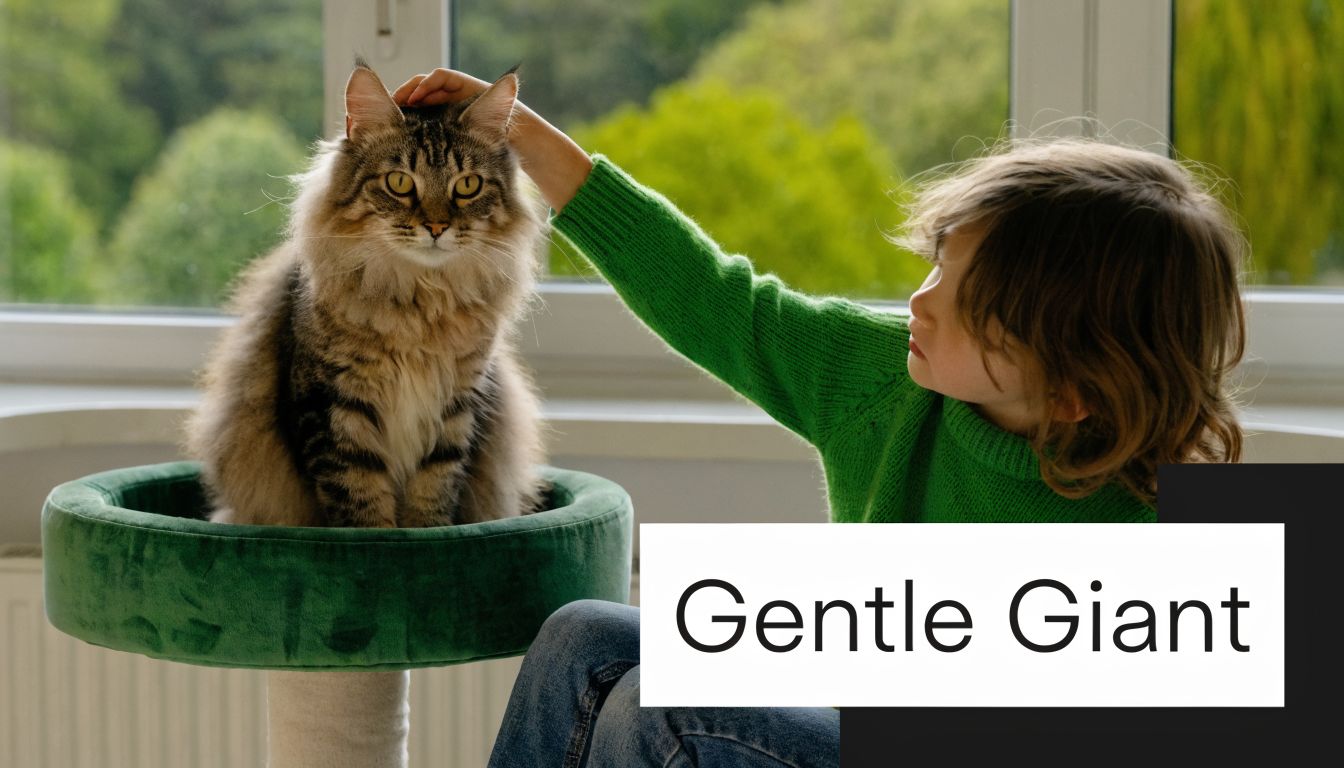
A lot of families meet a Maine Coon once and immediately picture the ideal household cat. Big frame, calm presence, friendly face. That first impression is often accurate, but this breed asks more from a home than the nickname “gentle giant” suggests.
The Cat Fanciers’ Association placed the Maine Coon at the top of its 2024 most popular breeds overview, which tracks with what many owners already know. These cats are often social, steady, and adaptable around children and other pets. For a busy family, that can be a real advantage.
Size is the first practical adjustment. A Maine Coon does not live like an average cat. Standard cat trees wobble, small carriers feel cramped, and undersized litter boxes become a problem fast. If you bring one home, plan for larger gear from the start.
What works in a family home
Maine Coons usually do best in homes that give them room to move, climb, and observe. They tend to enjoy being near family activity, but many prefer respectful interaction over constant grabbing or carrying. That makes them a strong fit for households that can teach kids how to handle a cat gently and when to leave it alone.
A few setup choices matter right away:
- Buy sturdy equipment: Choose heavy cat trees with wide platforms and stable bases.
- Stay ahead on grooming: Their coat can mat if brushing slips from a routine into an occasional chore.
- Plan for company: Maine Coons are social enough that long stretches alone may not suit every cat, so families should be honest about schedules and read up on how long you can leave a cat alone safely.
- Feed for steady growth: Large cats benefit from consistent nutrition during kittenhood, and a practical kitten food guide can help families compare options.
Practical rule: Give a Maine Coon one high perch to supervise the room and one quiet retreat where children do not follow.
Reality check
This breed is family-friendly, but it is not low-maintenance. The coat needs regular brushing, the home setup costs more, and their social nature means they usually do better in households that want an involved pet, not a cat that disappears all day.
Health screening matters too. Maine Coons are one of the breeds commonly associated with hypertrophic cardiomyopathy, so responsible breeders should be able to discuss cardiac testing clearly. If those answers are vague, walk away.
For families who want a large, companionable cat and are prepared for the extra grooming, equipment, and health screening, the Maine Coon is a strong choice. For families looking for the easiest possible cat, it may feel like more work than expected.
2. Ragdoll The Docile, Affectionate Family Darling
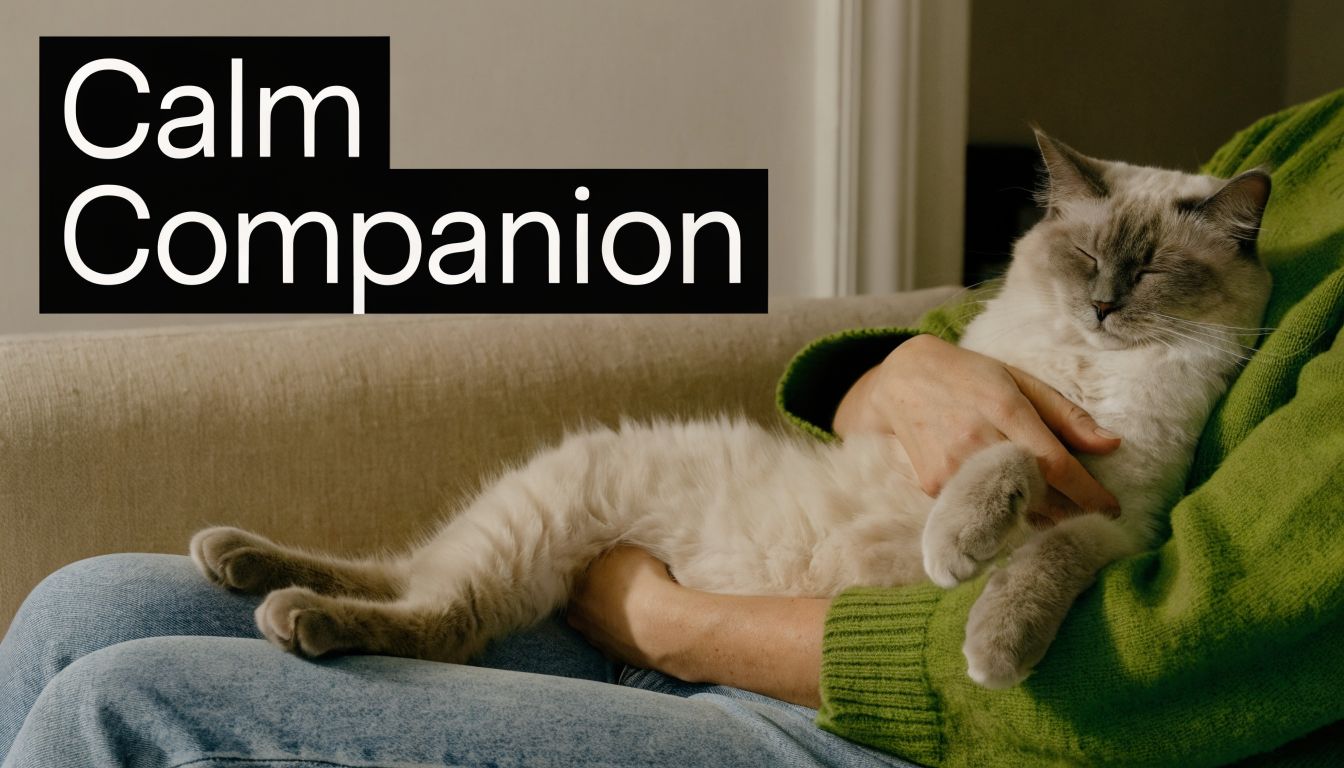
A child wants a cat that will sit through story time. A parent wants a breed that stays gentle when the house gets noisy. Ragdolls often appeal to both.
They are known for a calm, people-oriented temperament, and that reputation is one reason they appear in Parade Pets’ guide to family-friendly cat breeds. In the right home, a Ragdoll can be an unusually easy companion to live with. Many like being near their people, settle into routines, and tolerate household activity better than more reactive breeds.
Why families love them
Ragdolls usually choose connection over distance. They may trail family members from room to room, nap nearby, and seek out quiet contact instead of constant stimulation. For homes that want a cat involved in daily life, that trait matters more than looks.
The breed’s relaxed body language is part of the appeal too. Some Ragdolls go limp when held, which is where the breed gets its name. Families often find that charming. It should still be treated carefully. A cat that tolerates handling can be overhandled, especially by young children who mistake patience for endless tolerance.
A Ragdoll suits families who want a calm, affectionate cat and are ready to protect that softness.
Reality check
This is not the best match for every family. Ragdolls usually do poorly in homes that expect a cat to be fully independent, disappear for hours, and adapt to constant noise or rough play without stress. If your household is out most of the day, read this guide on how long cats can be left alone safely before assuming this breed will cope well.
Their coat also needs regular brushing. It is not difficult work, but it has to happen consistently or knots start showing up around the chest, legs, and underarms. I also tell parents to set one house rule early. No carrying the cat around like a stuffed animal, even if the cat seems to allow it.
Health screening deserves more attention than the breed’s sweet image usually gets. Ask breeders clear questions about inherited heart disease in their lines, early socialization, and whether kittens are raised in a normal home environment. If the answers are vague, keep looking.
A practical setup helps. Give the cat a quiet retreat, keep grooming tools where you will use them, and stay on top of parasite prevention with a reliable cat flea spray guide before a minor problem spreads through bedding and furniture.
3. British Shorthair The Independent, Sturdy Family Cat
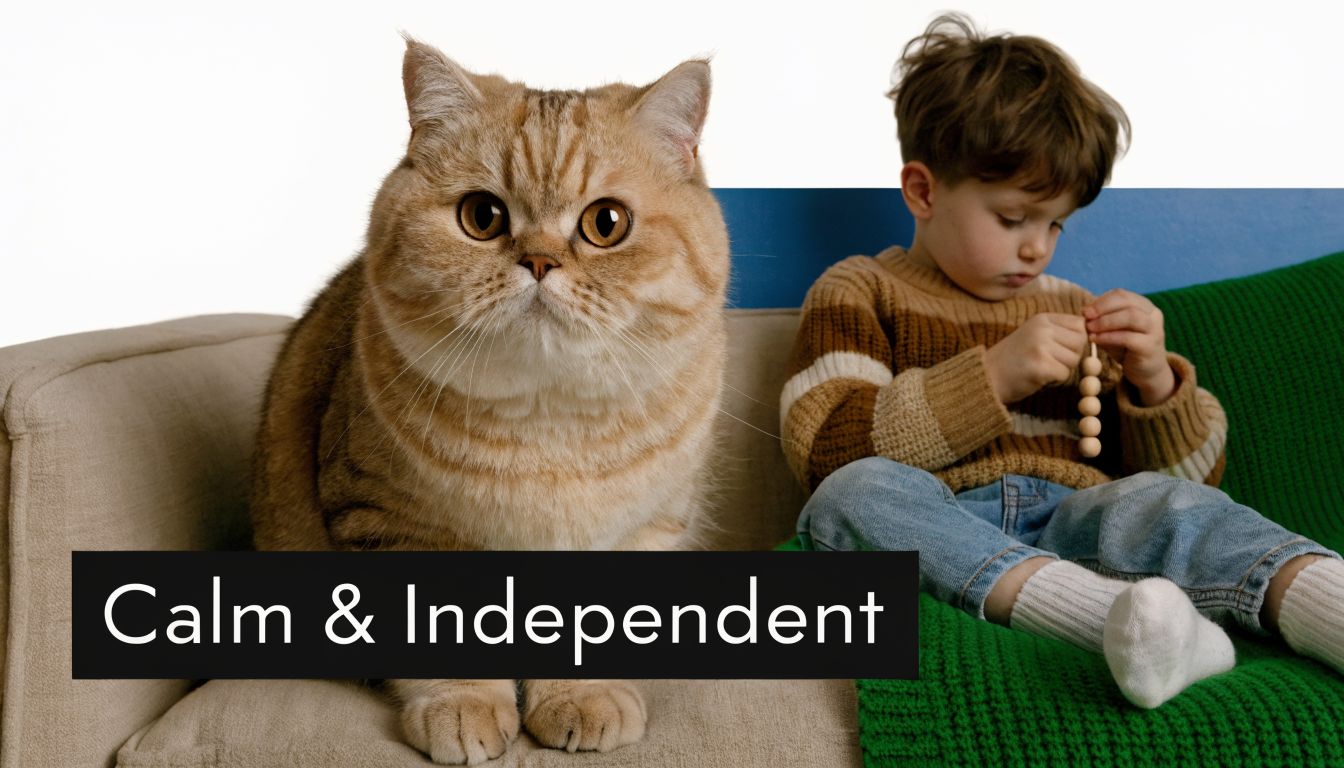
Not every family needs a clingy cat. In many homes, a more self-contained temperament is the better match. That’s where the British Shorthair stands out. This breed tends to suit parents who want a calm, dependable companion that can enjoy company without demanding constant involvement.
The appeal is practical. British Shorthairs often handle routine well, settle into household patterns, and prefer steady affection over nonstop attention. For working families, that can make daily life much easier than a highly social breed that struggles with alone time.
Best fit for busy households
A British Shorthair often thrives in homes where adults work predictable hours and children are old enough to respect space. These cats usually enjoy being near the family but on their own terms. They’re the cat equivalent of someone who likes being invited, not crowded.
That independence makes them one of the best cat breeds for families who want lower drama. It also means parents need to coach kids properly. A British Shorthair may not lash out quickly, but repeated pestering can still create stress.
- Respect their pace: Let the cat approach first during quiet evening time.
- Manage weight early: Puzzle feeders and measured meals matter because sturdy cats can drift toward inactivity.
- Plan for absences realistically: If your schedule runs long, use guidance on how long you can leave a cat alone instead of guessing.
Reality check
This breed is often described as easy, and that’s true only if your expectations are realistic. If your child wants a cat that will happily be carried around, sleep in every bed, and greet guests like a dog, this might not be the one. British Shorthairs can be affectionate, but they’re often more reserved and less performatively cuddly.
Calm doesn’t mean interactive. Many families do better with this breed once they stop expecting a lap cat on demand.
When the home is steady and the family understands feline boundaries, British Shorthairs tend to reward that respect with quiet loyalty and low-conflict companionship.
4. Birman The Silky-Coated Social Butterfly
Birman owners often describe the breed as a sweet middle ground. That’s exactly why families should pay attention to them. A Birman usually brings more social warmth than a highly independent cat, but without the intensity some very talkative or high-demand breeds bring into the home.
This breed tends to work well for families who want a cat involved in daily life. Birmans often enjoy following people, joining family routines, and playing in short, predictable bursts. They can be a very nice fit for households with school-age children who want interaction but are ready to learn gentle handling.
Why they work so well for many homes
A Birman often adapts well because it doesn’t push to extremes. You’re usually not dealing with a cat that needs constant entertainment, and you’re also not trying to win over a cat that keeps everyone at arm’s length. That balance helps in homes where schedules vary a bit but the overall rhythm stays stable.
Their silky coat also looks more demanding than it often is, as long as brushing is consistent. Families who build grooming into a normal evening routine usually do well.
- Use grooming as bonding: A slicker brush, metal comb, and calm handling work better than infrequent marathon brushing sessions.
- Keep play focused: Wand toys, treat puzzles, and short training games help this breed stay engaged.
- Protect routine: Birmans usually respond best when meals, play, and quiet time happen at roughly the same times each day.
Reality check
The common mistake with Birmans is underestimating how social they are. They’re not usually as emotionally demanding as the neediest companion breeds, but they still want inclusion. If the family wants a beautiful cat that mostly entertains itself, a Birman may feel disappointed or under-stimulated.
They’re also best with children who can be calm and intentional. Rough, impulsive handling doesn’t suit their soft social style. In the right home, though, they can be one of the easiest family cats to live with because they blend beauty, playfulness, and gentleness without too much friction.
5. Scottish Fold The Adorable, Laid-Back Companion
Scottish Folds tempt families for an obvious reason. The folded ears and round expression make them look permanently gentle. Many do have a quiet, adaptable temperament that can fit nicely into a calm home with respectful children.
But this is the breed that needs the clearest ethical reality check in any honest guide to the best cat breeds for families. The trait that gives the breed its signature look is tied to cartilage and bone problems. That means cuteness can come attached to lifelong discomfort.
The ethical issue families shouldn't skip
If appearance is the main reason you’re considering a Scottish Fold, pause there. A family pet should be chosen for welfare first. Plenty of cats have a sweet, mellow temperament without carrying the same ethical baggage.
When people do pursue this breed, they need to go slowly and ask hard questions. Not soft questions about personality. Hard ones about orthopedic health, mobility, and what support the breeder gives if issues appear later.
Reality check: If you aren't prepared to walk away from a breeder because the answers feel vague, this isn't the breed for your family.
What daily life looks like
Scottish Folds often do best in quieter homes with structured routines. They usually appreciate soft bedding, gentle play, and predictable handling. Children must be taught never to manipulate the ears for fun or repeatedly pick the cat up because it “looks calm.”
A practical approach includes:
- Prioritize welfare over looks: Ask about mobility, comfort, and long-term soundness before ear shape.
- Keep handling gentle: The breed’s sweet expression can hide discomfort that children won’t recognize.
- Watch body language closely: A cat that withdraws, stiffens, or avoids jumping may be telling you more than a photo ever could.
Reality check
This can be a loving companion, but it isn’t a casual purchase. For many families, the responsible answer is to choose a different breed or a mixed-breed cat with a similar mellow temperament. That choice usually serves both the cat and the household better.
6. Siamese The Vocal, Intelligent Interactive Companion
Some families want a cat with a big personality. The Siamese delivers that in full. These cats are bright, social, and famously communicative, which can make them wonderful companions for households that enjoy active interaction instead of quiet coexistence.
They often form intense bonds with their people and don’t mind making opinions known. That can be fun for older children who like training, playing, and talking to the cat. It can also overwhelm families expecting a low-maintenance pet that blends into the background.
Here’s a look at the kind of active, social temperament many families enjoy in the breed:
Where Siamese cats shine
A Siamese often thrives with people who are home a lot, notice subtle behavior changes, and enjoy mental engagement. These cats usually like routines, climbing spaces, puzzle play, and direct social contact. They can do very well in families where older kids want a pet they can interact with instead of just cuddling.
Their intelligence is a major plus. You can channel that into target training, treat puzzles, harness work, and toy rotation. Without those outlets, the same intelligence turns into noise, frustration, and persistent attention-seeking.
Reality check
This is not the easiest first cat for every family. A Siamese can be too vocal for noise-sensitive households, too intense for families with chaotic schedules, and too demanding for adults who want an independent pet. They also tend to do poorly when emotionally sidelined.
- Choose this breed if: Your family wants active engagement and can give consistent attention.
- Skip this breed if: You want quiet, low-needs companionship.
- Do best with: Older children who understand play rules, not toddlers who grab or shriek unpredictably.
Living happily with a Siamese usually means treating it like a participant in family life, not an ornament.
For the right household, that’s exactly the appeal.
7. Ragdoll-Siamese Mix Characteristics The Bengal Alternative for Active Families
Many families get drawn toward Bengals for the dramatic look, then realize the lifestyle match may be off. That’s a smart moment to reconsider. If you want a cat with visual flair and a more manageable family temperament, a well-socialized domestic mix with Ragdoll and Siamese traits can be a more realistic path.
This isn’t a guarantee of fixed outcomes, because mixes vary. But in practice, families often like the balance they can get from this combination. You may see some of the Siamese curiosity and sociability with some of the softer, more people-oriented settling behavior associated with Ragdolls.
Why this can be a better family answer than a Bengal
The question isn’t which cat looks more exciting. The question is which cat your family can live with well for years. Active households often want a playful, interactive cat without stepping into a level of intensity that requires advanced enrichment, tighter environmental management, and very experienced handling.
A carefully evaluated mix can sometimes offer that middle lane. You still need to judge the individual cat, not the label, but many families do well when they adopt based on actual behavior from a foster or rescue setting.
- Meet the cat, not the fantasy: Ask how it handles noise, visitors, nail trims, and being redirected during play.
- Look for recoverability: A family cat should bounce back after normal household bustle, not stay on edge.
- Favor proven temperament: Adult cats in foster care often give a clearer picture than very young kittens.
Reality check
This option works best for families who are flexible about pedigree and focused on fit. If you’re fixated on a certain exotic look, you can miss the better companion standing right in front of you. It also helps to remember that mixed-breed cats are often the healthier, more practical choice for family life when temperament and longevity matter more than breed prestige.
If your home is active but not extreme, this route can be one of the smartest ways to get many of the traits people think they want from a Bengal without inviting the same level of challenge.
8. Exotic Shorthair The Laid-Back Persian Alternative
A family falls for the round face, big eyes, and teddy-bear look, then learns a month later that “lower maintenance than a Persian” still includes regular eye cleaning, careful heat management, and a vet who takes breathing and dental structure seriously. That is the right starting point with the Exotic Shorthair. This breed can be a lovely family cat, but only for households that understand the care behind the cute expression.
Exotic Shorthairs are often gentle, quiet, and affectionate without being overly demanding. Many enjoy a calm home, predictable routines, and short play sessions followed by long naps nearby. For families who want a cat that stays close without turning the house into a full-time activity center, that temperament can be a very good fit.
Their biggest advantage is practical. You get much of the soft, easygoing Persian style in a shorter coat that is simpler to keep tidy. Simpler does not mean effortless, though.
Where they fit best
This breed usually does best with families who keep a fairly stable household rhythm. They often handle apartment living well, and they tend to suit older children better than homes where a cat will be picked up constantly, chased, or pulled into rough play. Many are affectionate, but they are not usually the best match for families looking for a highly athletic, highly interactive cat.
Daily life with an Exotic Shorthair is less about entertainment and more about comfort. Good resting spots, moderate play, clean grooming habits, and indoor climate control matter. If your home runs loud, busy, and hot for long stretches, this breed may struggle more than its relaxed appearance suggests.
Reality check
The trade-off is the face shape. Exotic Shorthairs are a brachycephalic breed, and the same flat-faced look that attracts many buyers can come with real welfare concerns. The Cat Fanciers' Association breed profile notes the Persian ancestry behind the breed and the physical type many breeders aim for, which is part of why families should ask hard questions about nostril openness, tear staining, bite alignment, and overall breathing comfort before adopting from a breeder: Cat Fanciers' Association on the Exotic.
That matters in everyday family life.
- Eyes need routine care: Tear overflow and facial staining are common, and some cats need gentle cleaning every day.
- Breathing comfort matters: Heat, stress, and strenuous play can be harder on flat-faced cats than on breeds with a more moderate muzzle.
- Dental and facial structure deserve scrutiny: A sweet temperament does not offset poor anatomy.
- Breeder choice carries ethical weight: Families should favor breeders selecting for healthier, less extreme features, not the flattest face possible.
I generally suggest this breed to families who want a calm companion and are prepared for hands-on upkeep, not to people looking for a low-maintenance cat. If your priority is a peaceful, affectionate pet and you are willing to monitor comfort closely, an Exotic Shorthair can work well. If you want easy care above all else, this breed often asks for more attention than its plush, laid-back image implies.
Top 8 Family-Friendly Cat Breeds Comparison
A comparison table should make family decisions clearer, not flatter every breed into the same answer. The best choice depends on what your household can realistically handle each day: noise, grooming, supervision, play needs, health monitoring, and the ethics behind the breed itself.
| Breed | 🔄 Care Complexity | 💡 Resource Needs | ⭐ Family Fit | 📊 Ideal Use Cases | ⚡ Key Advantages |
|---|---|---|---|---|---|
| Maine Coon: The Gentle Giant Family Companion | High. Daily grooming, space, and ongoing health screening matter | High. Large scratching posts, sturdy cat trees, quality grooming tools, higher food and vet costs | Excellent for many families, especially those comfortable with a bigger, more involved cat | Active homes, multi-pet households, families wanting a social cat with presence | Gentle, sociable, playful, often tolerant of respectful children |
| Ragdoll: The Docile, Affectionate Family Darling | Moderate to high. Regular brushing, close companionship, indoor safety | High. Time at home, soft resting areas, routine coat care, careful breeder selection | Excellent for families who want a very people-oriented cat | Homes with regular adult presence, calmer family routines, affectionate companion households | Calm, cuddly, easy to handle, strongly bonded to people |
| British Shorthair: The Independent, Sturdy Family Cat | Low to moderate. Simple coat care, weight management, steady routine | Moderate. Good food, portion control, basic enrichment, routine vet care | Very good, especially for families who want affection without constant demand | Busy households, apartments, first-time cat owners, quieter homes | Calm, sturdy, fairly independent, lower-maintenance than many purebreds |
| Birman: The Silky-Coated Social Butterfly | Moderate. Regular brushing and daily social interaction help them do well | Moderate. Grooming tools, climbing spots, play sessions, breeder health screening | Excellent for families wanting a friendly, involved cat without Siamese-level intensity | Homes with children who want interaction, families wanting a trainable and social cat | Affectionate, gentle, playful, attractive coat with manageable upkeep |
| Scottish Fold: The Adorable, Laid-Back Companion | Moderate. Routine care is simple, but joint and mobility monitoring can become a serious issue | Moderate to high. Regular vet follow-up and a willingness to put welfare ahead of appearance | Mixed. Temperament can suit families, but ethical concerns should give many buyers pause | Families open to adoption or rescue, households prepared to walk away from unhealthy breeding practices | Sweet nature, usually calm, compact size |
| Siamese: The Vocal, Intelligent Interactive Companion | High. They need conversation, play, structure, and mental work | High. Daily engagement, puzzle toys, climbing space, patience for noise and intensity | Excellent for interactive families. Poor fit for homes that want a quiet, undemanding pet | Households with plenty of time, older kids who enjoy active play, owners who want a highly involved cat | Intelligent, trainable, social, short easy-care coat |
| Ragdoll-Siamese Mix Characteristics: The Bengal Alternative for Active Families | Moderate to high. More energetic and vocal than a typical Ragdoll, but usually easier to manage than a Bengal | Moderate to high. Daily play, climbing options, companionship, consistent boundaries | Very good for many families, especially those wanting an engaging cat without extreme intensity | Active families, homes with older children or cat-savvy younger kids, owners wanting personality and playfulness without a wild-cat feel | Affectionate, smart, playful, more manageable than very high-drive breeds |
| Exotic Shorthair: The Laid-Back Persian Alternative | Moderate. Coat care is lighter than a Persian’s, but face and eye care may be frequent | Moderate. Tear cleaning supplies, climate awareness, routine vet attention, indoor living | Good to excellent for calm families who accept the upkeep | Quiet homes, gentle children, families wanting a low-energy companion and willing to monitor comfort closely | Sweet temperament, plush coat, calmer activity level |
One reality check stands out in this comparison. The Ragdoll-Siamese mix belongs in the "interactive but still family-manageable" category, not the "expert-only" category. Families should still expect a cat that wants engagement and can get loud or mischievous when bored, but this mix is generally a far more practical choice than a Bengal for households that want energy without turning the home into a full-time enrichment project.
Use the table as a filter, not a final verdict. A well-bred, well-socialized cat from a breed that fits your schedule usually works better than a trendier breed whose care demands clash with daily family life.
Final Thoughts
The best cat breeds for families aren’t always the prettiest, trendiest, or easiest to brag about. They’re the cats whose daily needs fit your home in a sustainable way. That means matching energy level, handling tolerance, noise sensitivity, grooming load, and health realities to the people living with the cat.
For many families, Maine Coons and Ragdolls rise to the top because they combine affection with a generally steady social temperament. British Shorthairs and Exotic Shorthairs make more sense when the household wants calm companionship without constant emotional demand. Birmans often fit the middle beautifully. Siamese cats can be fantastic, but only when the family desires an involved, vocal, highly interactive pet.
The most important reality check is this. “Good with kids” doesn’t mean a cat should tolerate anything. Even the gentlest breed needs escape routes, predictable routines, quiet resting spots, and adults who teach respectful handling. A family that does those things usually succeeds with more than one breed. A family that doesn’t will struggle even with the most forgiving cat.
Health and ethics deserve equal weight. Maine Coons and Ragdolls need thoughtful screening because family-friendly temperament doesn’t erase inherited risk. Scottish Folds require the hardest ethical pause on this list. If a breed’s defining look is tied to welfare concerns, families should be willing to walk away. In many cases, a well-socialized mixed-breed cat may be the more responsible and easier long-term choice.
When I help people narrow down a family cat, I tell them to stop asking only, “Which breed is best?” and start asking, “What kind of daily life can we realistically support?” That question leads to better matches every time. A cat doesn’t need to be famous, rare, or photogenic to become the center of a family’s life. It needs to feel safe in your home, understood by your children, and supported by adults who won’t outsource hard decisions to breed marketing.
If you’re still choosing, focus on the practical signs of fit. Look for a cat that recovers well from normal household activity, accepts gentle handling, uses play appropriately, and has a health history you can verify. That’s how families find a companion they can enjoy for years, not just a breed they admired for five minutes online.
If you’re comparing breeds, preparing for a new kitten, or trying to build a better daily routine for the cat you already have, MyPetGuider.com is a useful next stop. It brings together practical care guides, feeding advice, product comparisons, and family-friendly pet resources that help you make confident choices without the guesswork.


Leave a Comment