

You hear the familiar gagging sound from the next room, rush over, and find your cat crouched low with neck extended, trying to bring up a hairball. It’s unpleasant, but it also raises a fair question. Is this just normal cat behavior, or does your cat need actual cat hairball medicine?
Most guides jump straight to a product list. That’s rarely the best first move. Hairball care works better when you match the remedy to the cat in front of you: coat type, age, grooming habits, stress level, diet, and how often this is happening. A long-haired senior who overgrooms needs a different plan than a young short-haired cat that hacks once in a while during shedding season.
That more careful approach matters because there are a lot of products on the market, and not all of them solve the same problem. The global cat hairball remedy market was valued at $500 million in 2025 and is projected to reach $950 million by 2033, with a 7% CAGR, according to Archive Market Research’s cat hairball remedy market report. That projection reflects how common this issue is among the world’s 600 million owned cats, but common doesn’t always mean complicated.
Table of Contents
- Understanding Cat Hairballs and When to Intervene
- Does Your Cat Actually Need Hairball Medicine?
- Comparing Hairball Gels, Treats, and Special Diets
- A Step-by-Step Guide to Giving Your Cat Medicine
- Proactive Grooming and Diet Strategies
- Recognizing Symptoms That Need a Vet’s Attention
Understanding Cat Hairballs and When to Intervene
You hear the familiar retching at 2 a.m., find a tube-shaped clump on the rug, and wonder whether this is a routine hairball or the start of a bigger problem. That distinction matters, because the right response depends on your cat’s pattern, not your level of frustration with the cleanup.
A hairball is swallowed fur that stays in the stomach long enough to mat together instead of passing through the intestines in stool. When it comes back up, it often looks long and narrow because it was shaped in the esophagus during vomiting.
An occasional hairball can happen in a cat that is otherwise eating well, drinking, using the litter box normally, and behaving as usual. Repeated retching, frequent vomiting, constipation, or a drop in appetite deserve closer attention. Hairballs can be a nuisance, but they can also overlap with constipation, overgrooming, skin disease, inflammatory digestive problems, or, in more serious cases, a blockage.
That is why I tell owners to start with a simple risk assessment before buying anything. A young short-haired cat with one hairball during a heavy shed is a very different case from an older long-haired cat who gags several times a week and strains in the litter box. The first cat may need better brushing for a few weeks. The second may need a vet exam, a change in grooming routine, a diet adjustment, and only then a hairball remedy that fits the problem.
A normal event and a concerning pattern are different things
One isolated episode does not justify long-term medicine. A repeated pattern may.
Use these signs to sort out what you are seeing:
- Lower concern: one hairball once in a while, followed by normal appetite, normal stools, and normal activity
- Moderate concern: more frequent gagging, hairballs during seasonal shedding, mild stool changes, or a cat that swallows a lot of fur from overgrooming
- Higher concern: repeated unproductive retching, vomiting without producing a hairball, constipation, reduced appetite, lethargy, or belly discomfort
Coat type, age, grooming habits, and stool quality matter as much as the hairball itself. Cats with digestive sensitivity may also need a broader gut-health plan, not just a lubricant. If that sounds familiar, this guide to the best probiotic for cats with digestive support in mind can help you think through the bigger picture.
When intervention is worth the cost and effort
Hairball remedies are tools, not automatic fixes. Gels can help some cats move swallowed hair through the digestive tract, but they have to be given consistently and many cats dislike the texture. Treats are easier to give, but they add calories and may not deliver enough benefit for a cat with frequent symptoms. Hairball diets can work well over time, though they cost more upfront and only make sense if the cat will eat them reliably.
The practical question is not just, “Will this help once?” It is, “Is this the safest and most workable plan for my cat over the next few months?” If the problem is mild, regular brushing and better hydration may do more than medicine at a lower cost. If the pattern is building, waiting too long can leave you paying for repeated trial-and-error purchases while the cat keeps struggling.
Hairballs are common. Persistent vomiting is not. If your cat is retching often, seems painful, stops eating, or is not passing stool normally, home treatment should stop and a veterinary exam should move to the top of the list.
Does Your Cat Actually Need Hairball Medicine?
Before you buy anything, run a simple risk check. This keeps you from medicating a mild, occasional issue, and it helps you act sooner if your cat fits a higher-risk profile.
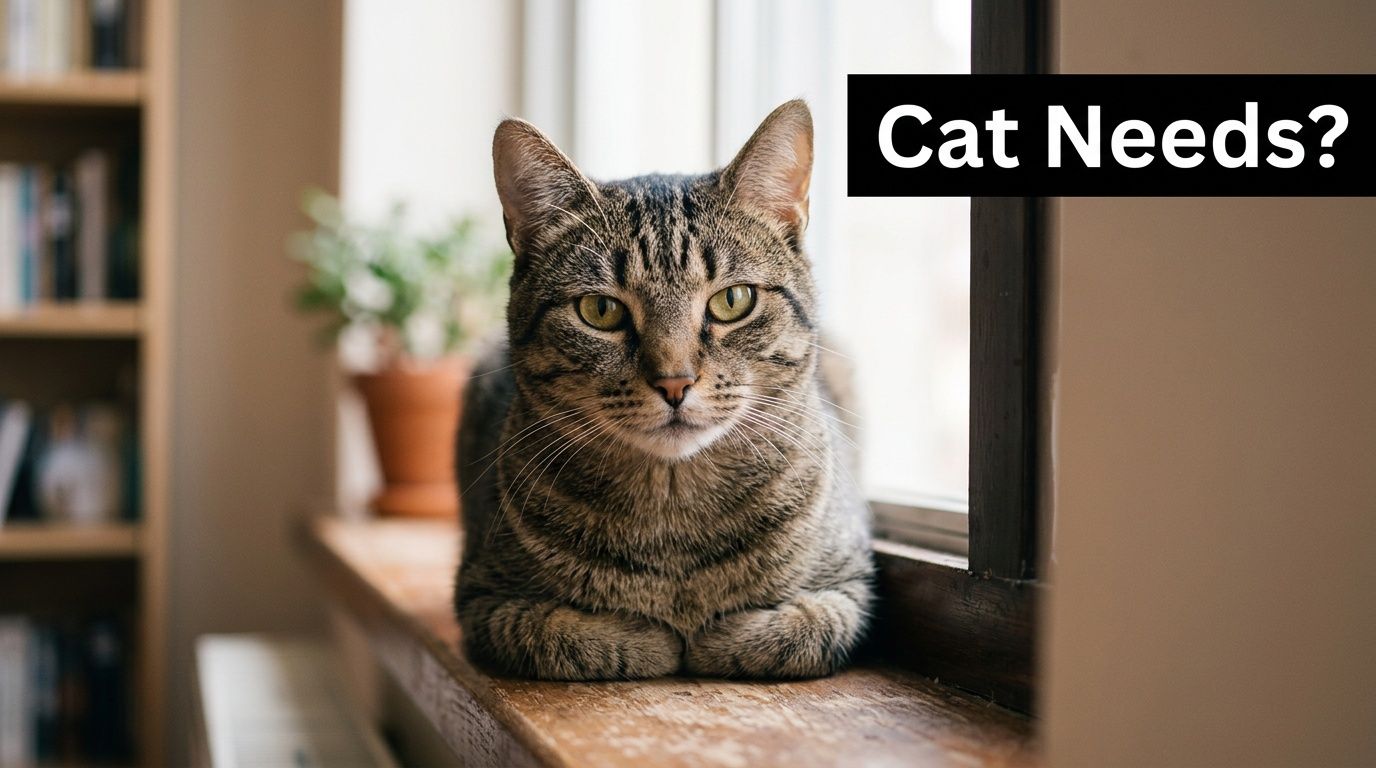
Cornell Feline Health Center notes that long-haired breeds are at significantly greater risk, older cats are more susceptible than kittens, and boredom can lead to over-grooming, which increases hair ingestion and the likelihood of hairballs, as explained by the Cornell Feline Health Center’s hairball guidance.
A quick at home risk check
Ask yourself these questions:
- Coat type: Is your cat long-haired, dense-coated, or currently shedding heavily?
- Age: Is your cat older and grooming more than they used to?
- Grooming behavior: Do you notice obsessive licking, barbering, or stress grooming?
- Environment: Is your cat bored, under-stimulated, or stuck in a repetitive routine with little play?
- Pattern: Does the gagging happen only once in a while, or is it becoming part of weekly life?
- Stool quality: Are you seeing constipation or straining along with the hairball episodes?
A cat that checks only one mild box may not need dedicated cat hairball medicine. A cat that checks several probably does need a prevention plan.
Low moderate and high concern patterns
A practical way to sort this at home is to think in tiers.
Low concern usually looks like an otherwise healthy short-haired cat with rare episodes and normal appetite, stool, and energy. These cats often benefit most from brushing and observation.
Moderate concern often includes seasonal shedding, a longer coat, or a noticeable increase in grooming. These cats may do well with a targeted plan that includes grooming plus either a gel, a fiber-based product, or a hairball-control diet.
High concern includes repeated retching, frequent vomiting, constipation, abdominal discomfort, or a cat that seems unwell between episodes. Those cats need more than a casual over-the-counter fix.
If your cat’s coat and behavior tell you the hairball is a symptom of a larger pattern, prevention will work better than chasing each episode after it starts.
The biggest mistake I see owners make is assuming every hacking sound means “buy a remedy.” Sometimes the better first intervention is a brush, a play session, a litter box check, and a close look at whether the cat is overgrooming.
Comparing Hairball Gels, Treats, and Special Diets
Once you know your cat really does need help, the next step is choosing the type of remedy that fits both the cat and your household.
How each option fits real life
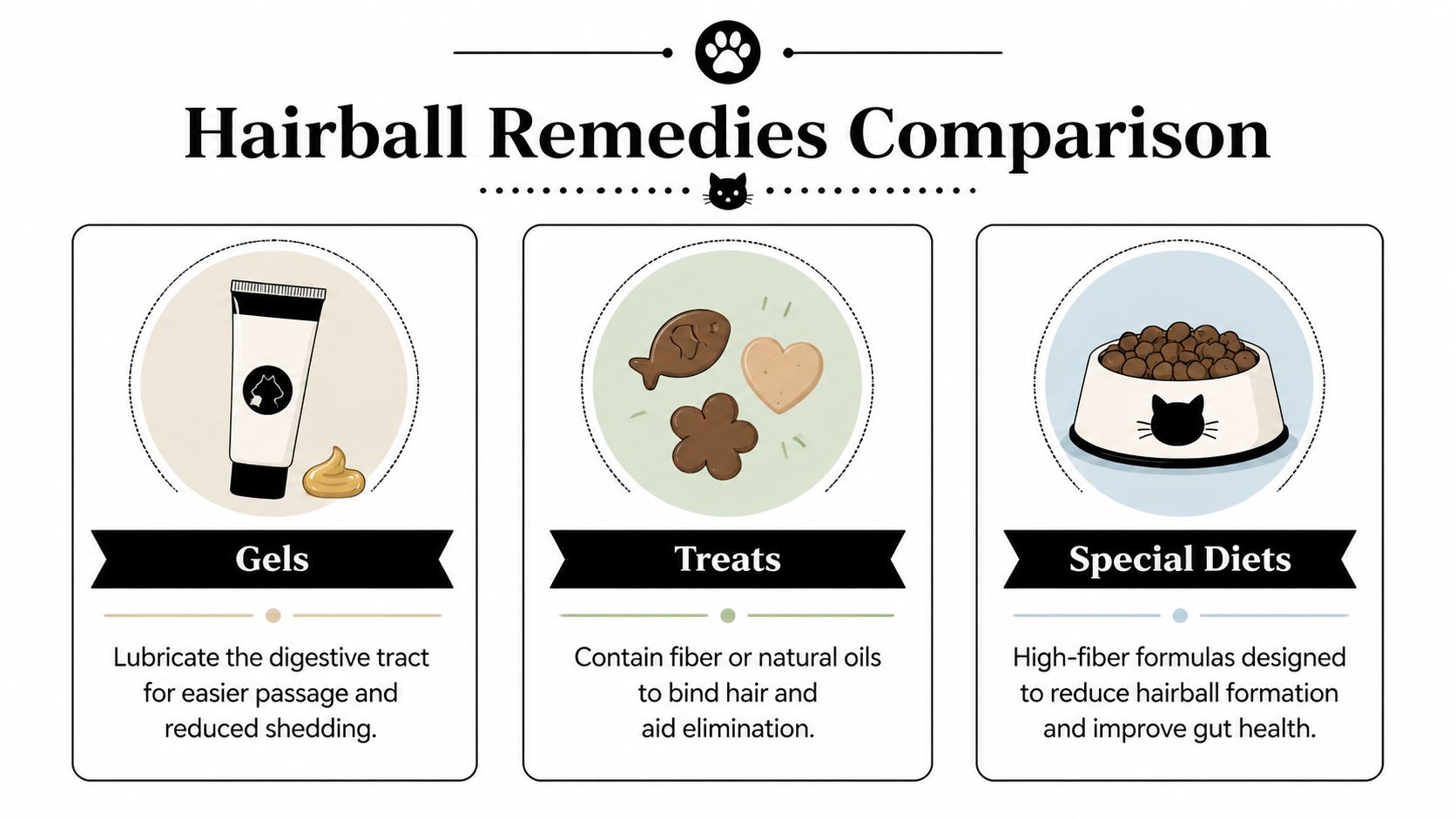
Hairball gels and pastes work by lubricating the digestive tract so swallowed hair moves through more easily. They’re often the fastest practical option when a cat is in a shedding phase or already showing mild hairball signs. The downside is compliance. Some cats love the malt flavor. Some act like you’ve offered poison.
Hairball treats are easier for many owners. Cats often accept them more readily, and they can fit into a daily routine without a fight. The trade-off is that treats can be less precise than a measured gel protocol, and they aren’t ideal if your cat is picky, calorie-sensitive, or on a restricted diet. Some owners also find that treats help most when combined with brushing rather than used as a stand-alone fix.
Specialized hairball control diets are the best fit for cats with a recurring pattern. Instead of treating episodes one by one, these diets build prevention into daily feeding. That’s often more sustainable for busy owners and less stressful for the cat than repeated medication attempts.
A useful long-term point: Business Insider’s guide to cat hairball remedies notes that specialized hairball control food has a higher upfront cost but can be more cost-effective over 12+ months than weekly gel treatments, which can cost $60-100 per year.
If your cat also has digestive sensitivity, looking at broader gut support can help you think through the trade-offs. This guide to the best probiotic for cats is worth reviewing when hairballs overlap with stool inconsistency or a delicate stomach.
Hairball Remedy Comparison
| Remedy Type | How It Works | Best For | Average Cost |
|---|---|---|---|
| Gels | Lubricates swallowed hair so it passes through the GI tract more easily | Cats needing short-term help during shedding or mild active symptoms | $60-100/year for weekly gel treatments |
| Treats | Delivers supportive ingredients in an easier-to-give format | Food-motivated cats that resist syringes or paw application | Varies |
| Special Diets | Builds prevention into daily feeding, often through higher fiber support | Cats with recurring issues and owners who want a routine-based option | Higher upfront cost, but may be more cost-effective over 12+ months |
The best cat hairball medicine is the one your cat will actually take consistently and that you can afford to keep using.
For many homes, the decision comes down to this: gels are more hands-on, treats are more convenient, and special diets are more preventive. None is universally “best.” Matching the product to your cat’s behavior matters more than brand hype.
A Step-by-Step Guide to Giving Your Cat Medicine
A good remedy fails if your cat won’t take it. Administration matters almost as much as product choice.
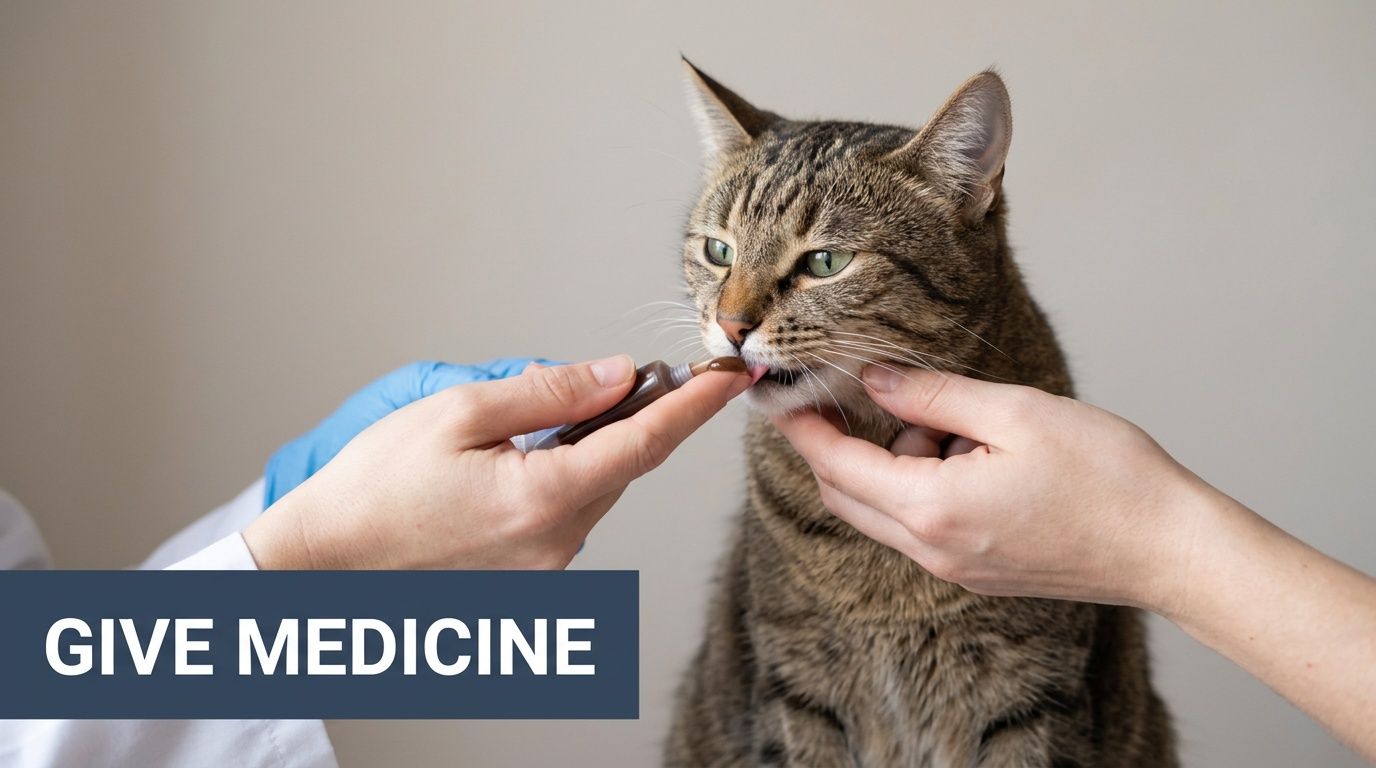
For lubricant gels, a common protocol is to start with 1/4 tsp every other day, then increase to 1/2-1 tsp daily during peak shedding seasons. Veterinary anecdotal data also suggests 70-85% of cats show reduced vomiting frequency within a week on a proper gel regimen, according to the PMC review discussing lubricant gel protocols.
Giving gel without turning it into a wrestling match
Start small. A tiny amount is easier for a cat to accept and easier for you to monitor.
- Offer it after a meal. Cats are calmer, and post-meal dosing is commonly used with lubricant gels.
- Try the paw method first. Place a small dab on the front paw or foreleg. Many cats will lick it off to clean themselves.
- If that fails, mix with a small amount of wet food. Don’t bury it in a full meal at first. You need to know whether your cat consumed it.
- Use direct oral dosing only if needed. A syringe or tube application can work, but go slowly and avoid forcing large amounts.
Watch for stool changes. Some cats get loose stool when the dose is pushed too high, so if that happens, back down and reassess.
A calm routine beats perfect technique. Owners get better results when they use the same time, same place, and same reward after each dose.
Using treats and food changes correctly
Treat-based remedies work best when they’re treated like medicine, not random snacks.
- Keep the amount consistent: Give them on a schedule, not only when you remember.
- Count total treats for the day: Don’t let hairball treats become extra calories on top of everything else.
- Pair them with brushing: That combination is often more useful than treats alone.
Food changes require patience. A gradual transition helps avoid digestive upset and food refusal. If your cat is suspicious of new diets, mix small amounts into the current food and increase slowly.
Here’s a quick visual demo if you need help with handling and giving oral medication calmly:
Cats remember stressful medication sessions. If you turn every dose into a struggle, the next one gets harder. Quiet handling, a towel only if necessary, and a high-value reward afterward can make a major difference.
Proactive Grooming and Diet Strategies
A common pattern in clinic is the cat who hacks up hair every few weeks, then gets labeled as a “hairball cat” for life. In many of those cases, the long-term fix is not more medicine. It is a better prevention plan based on how much your cat sheds, how well your cat tolerates brushing, what your cat eats, and whether the cost of a special product provides fewer episodes.
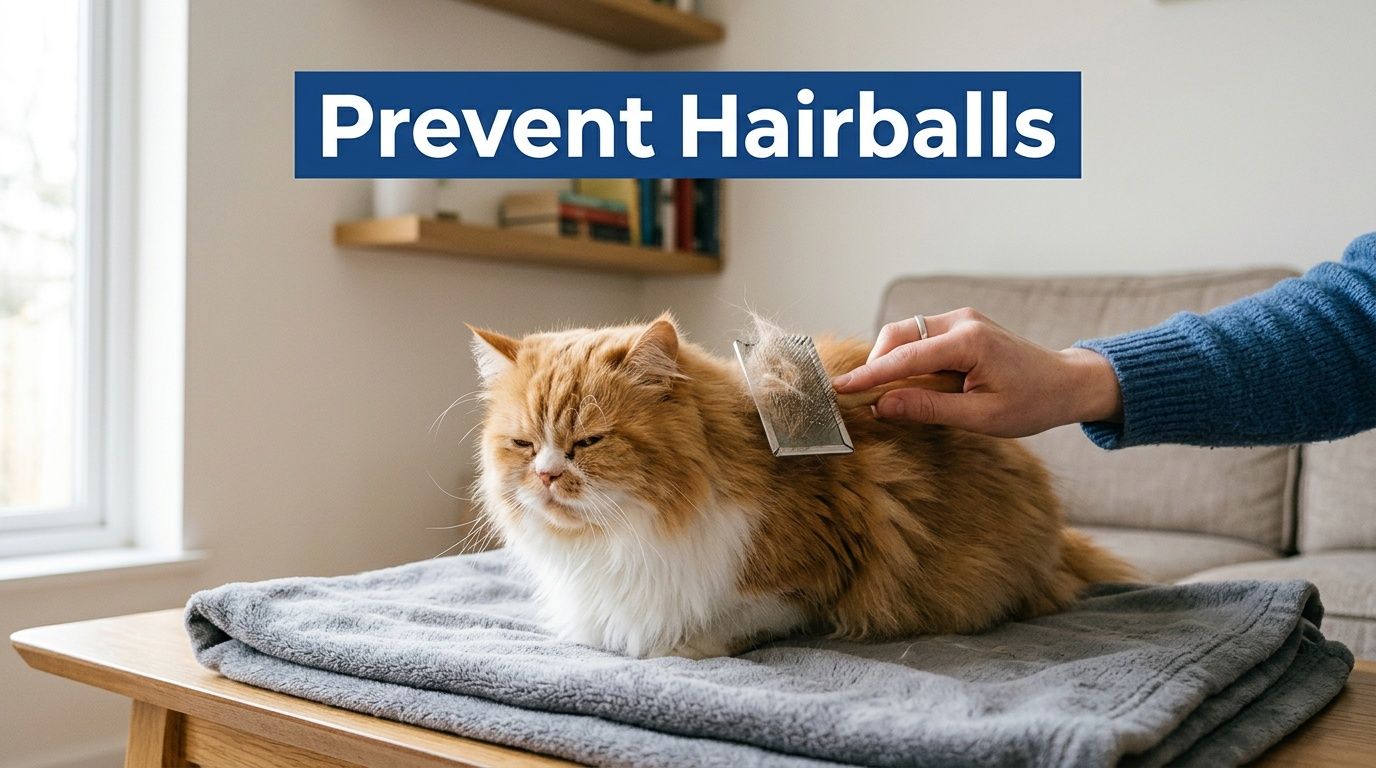
Brushing removes fur before your cat swallows it
Brushing gives the best return for many cats because it targets the problem at the source. Less loose coat on the body means less hair swallowed during self-grooming.
The right tool matters. Short-haired cats often do well with a grooming glove or soft brush. Long-haired cats usually need a comb or undercoat tool that can reach the loose hair underneath. If the coat is matting, work slowly and stop before the session turns into a wrestling match. A cat that dreads grooming will not let you do it often enough for it to help.
Owners sometimes ask whether bathing helps. It can, for some cats, but only if the cat tolerates it and the product is made for feline skin. If coat care is part of your plan, this guide to shampoo safe for cats is a useful place to start.
Diet supports hair passage, but it is not one-size-fits-all
Food can help move swallowed hair through the digestive tract, especially in cats with recurring hairball patterns. As noted earlier, higher-fiber approaches can improve fecal hair passage in some cats. The trade-off is that not every cat responds the same way, and some do better with more moisture and routine feeding than with a fiber-focused formula alone.
A simple risk check can be very helpful. A long-haired cat that sheds heavily every spring may benefit from scheduled brushing plus a hairball-control diet during peak shedding months. A short-haired cat with only occasional hairballs may not need a special food at all. In that case, spending more on a specialty diet year-round may not be the most practical choice.
Hydration matters too. Wet food, water fountains, and multiple clean water bowls can support normal stool quality and gut movement. That is a modest step, but it is often easier and less expensive than relying on repeated rescue treatments.
Prevention habits that are usually worth the effort
- Brush on a routine your cat will accept: Daily is ideal for heavy shedders. For other cats, several times a week may be enough.
- Match the tool to the coat type: The wrong brush wastes time and irritates the skin.
- Increase moisture intake: Many cats pass hair more comfortably when hydration is better.
- Use special diets selectively: They make more sense for cats with a clear recurring pattern than for cats with rare episodes.
- Watch for overgrooming: Stress, itch, pain, and boredom can all increase hair intake.
The practical goal is fewer swallowed hairs and better movement through the gut. For many households, that combination is cheaper, easier, and more effective over time than treating every episode after it starts.
Recognizing Symptoms That Need a Vet’s Attention
The hacking sound owners associate with hairballs can also show up with much more serious problems. That’s why I’m firm on this point. Not every gagging episode is safe to manage at home.
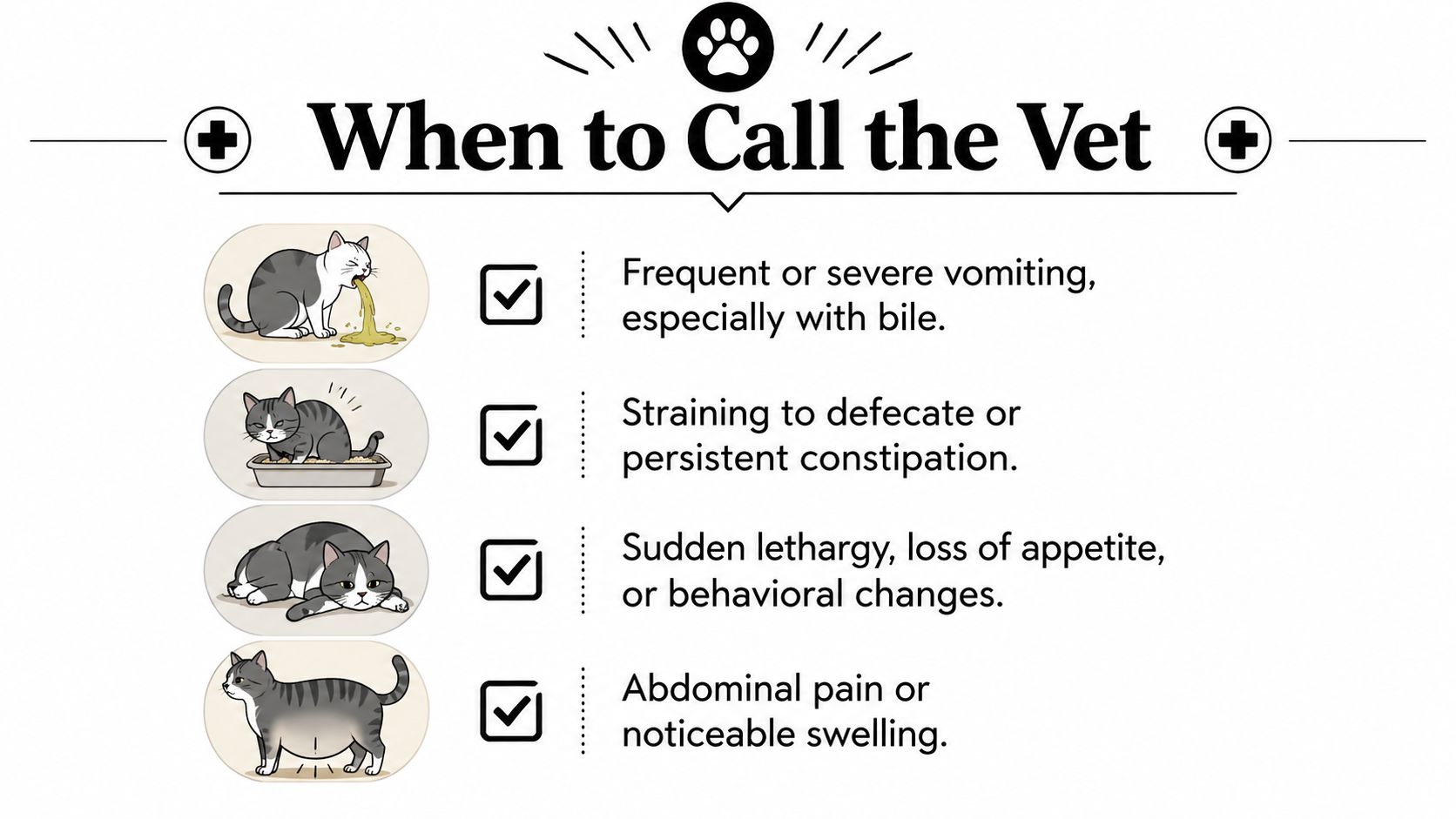
What is usually routine
A routine hairball episode tends to be brief. The cat retches, brings something up, then returns to normal behavior. Appetite is normal. Energy is normal. The litter box looks normal.
That sort of event is unpleasant, but it’s not automatically an emergency.
What is not safe to watch at home
These signs need veterinary attention:
- Repeated unproductive retching: Your cat keeps trying to vomit, but nothing comes up.
- Loss of appetite: A cat that won’t eat after a suspected hairball problem needs more than home care.
- Lethargy or hiding: A cat that seems dull, withdrawn, or painful isn’t having a simple cosmetic issue.
- Constipation or straining: Trouble passing stool can point to a bigger obstruction problem.
- Abdominal pain or swelling: This is not a wait-and-see situation.
If your cat seems “off” in ways that go beyond vomiting, this guide on why your cat may be acting weird can help you think through behavior changes before your appointment, but it should never replace a veterinary exam when red flags are present.
If a cat is retching repeatedly, not producing a hairball, and not acting normal afterward, assume you need a vet until proven otherwise.
Owners sometimes keep giving gel when the problem is obstruction, severe constipation, or another gastrointestinal issue. Over-the-counter products have limits. A blocked or painful cat needs professional care, not another home dose.
If you want practical pet-care advice without the scare tactics or the fluff, MyPetGuider.com is a solid place to compare everyday care options, build routines that fit your budget, and make more confident decisions for your cat.




Leave a Comment